
Have a service question? Explore garage door services and local service areas, or call to discuss the next step.
Notice a change before creating a checklist
Your best reference is how the door normally sounds and moves. A new scrape, uneven meeting with the floor, a slow section of travel or a control that behaves differently is worth noting. Routine maintenance is not simply adding lubricant until a noise disappears. The right care depends on the installed door and operator. Use their instructions and arrange an assessment when a new symptom affects operation. Stop using a leaning door, loose cable or visibly damaged lifting system.
Separate safe observation from adjustment
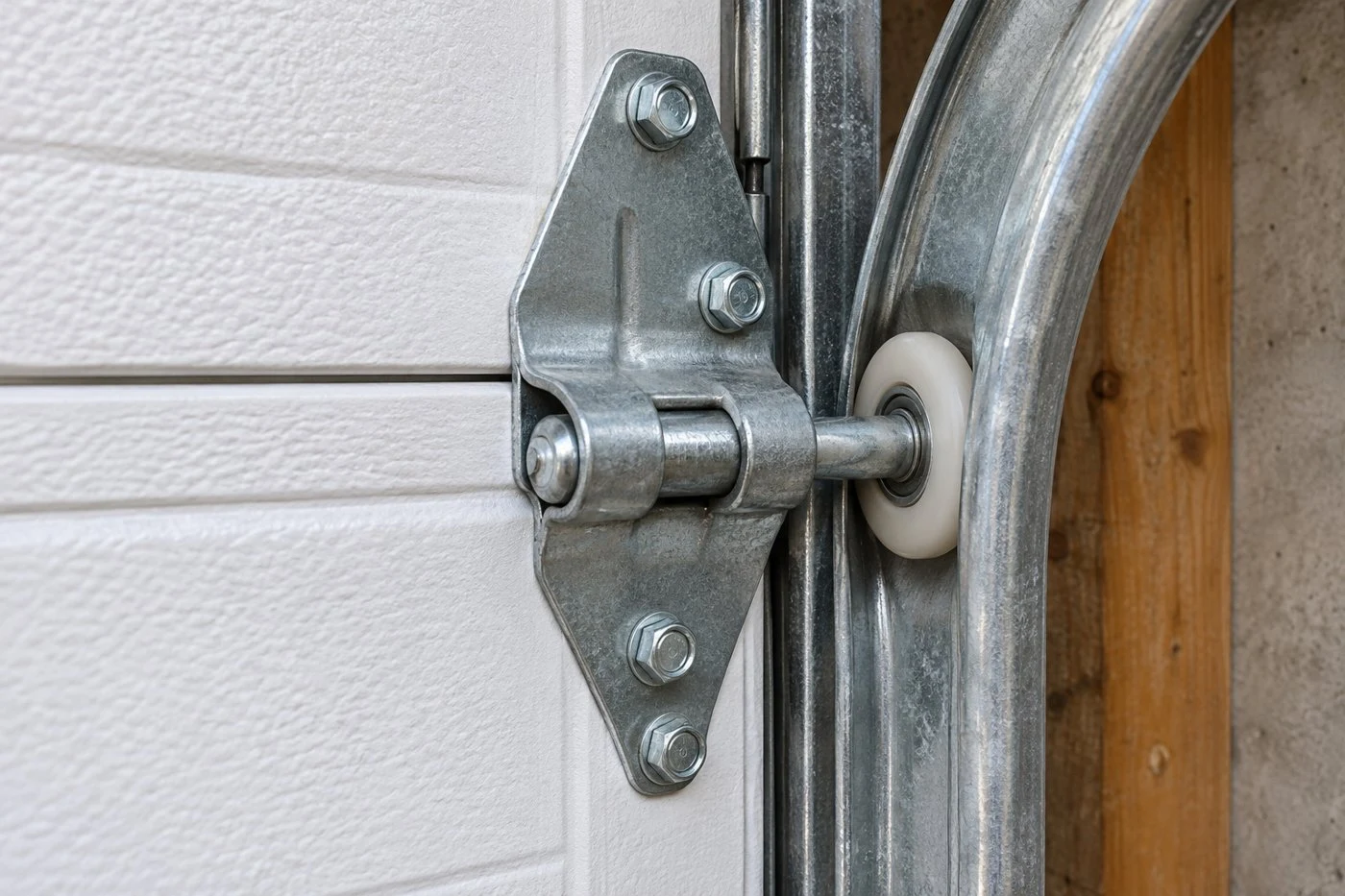
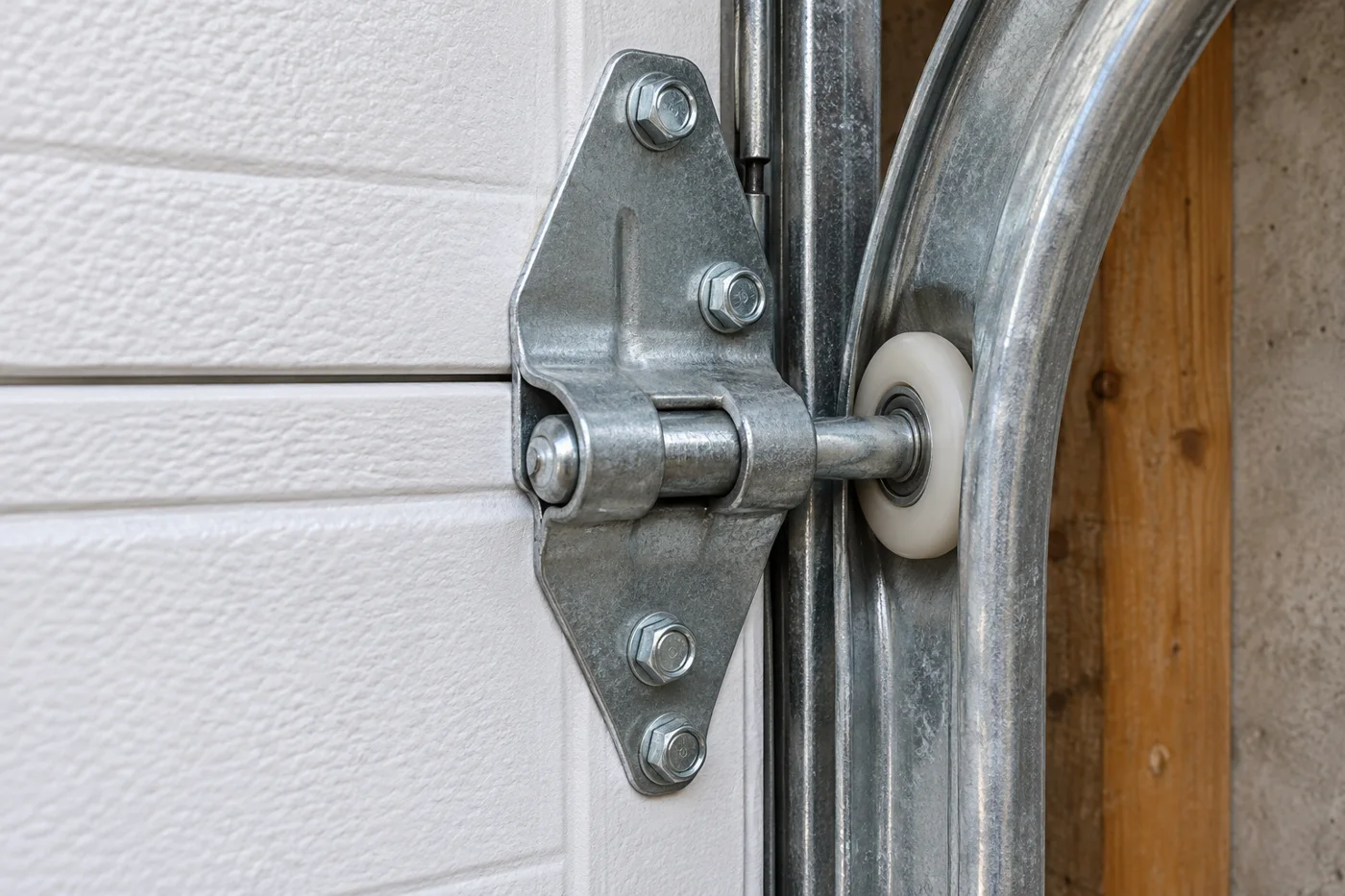
From the floor and outside the moving path, you can notice debris, an obvious seal gap or a change in panel alignment. That does not make springs, cable drums or bottom fixtures suitable for DIY adjustment. Do not tighten a loaded fixture or remove a guard to inspect it. If the manufacturer specifies routine care, use the products and locations stated for that model. A generic spray applied everywhere can create problems rather than resolve the cause of rough travel.
Put the opening and daily use in context
For a garage in Valparaiso and selected Northwest Indiana communities, explain the access route and the way the building is used. An attached garage with occupied rooms nearby raises different questions from a detached storage space. Low headroom, ceiling storage, a shared drive and a garage without another entrance are practical details to mention. If the request follows an impact or work on the driveway, say so. These observations help frame the scope without asking you to inspect loaded hardware or make a diagnosis.
Give the opening some attention
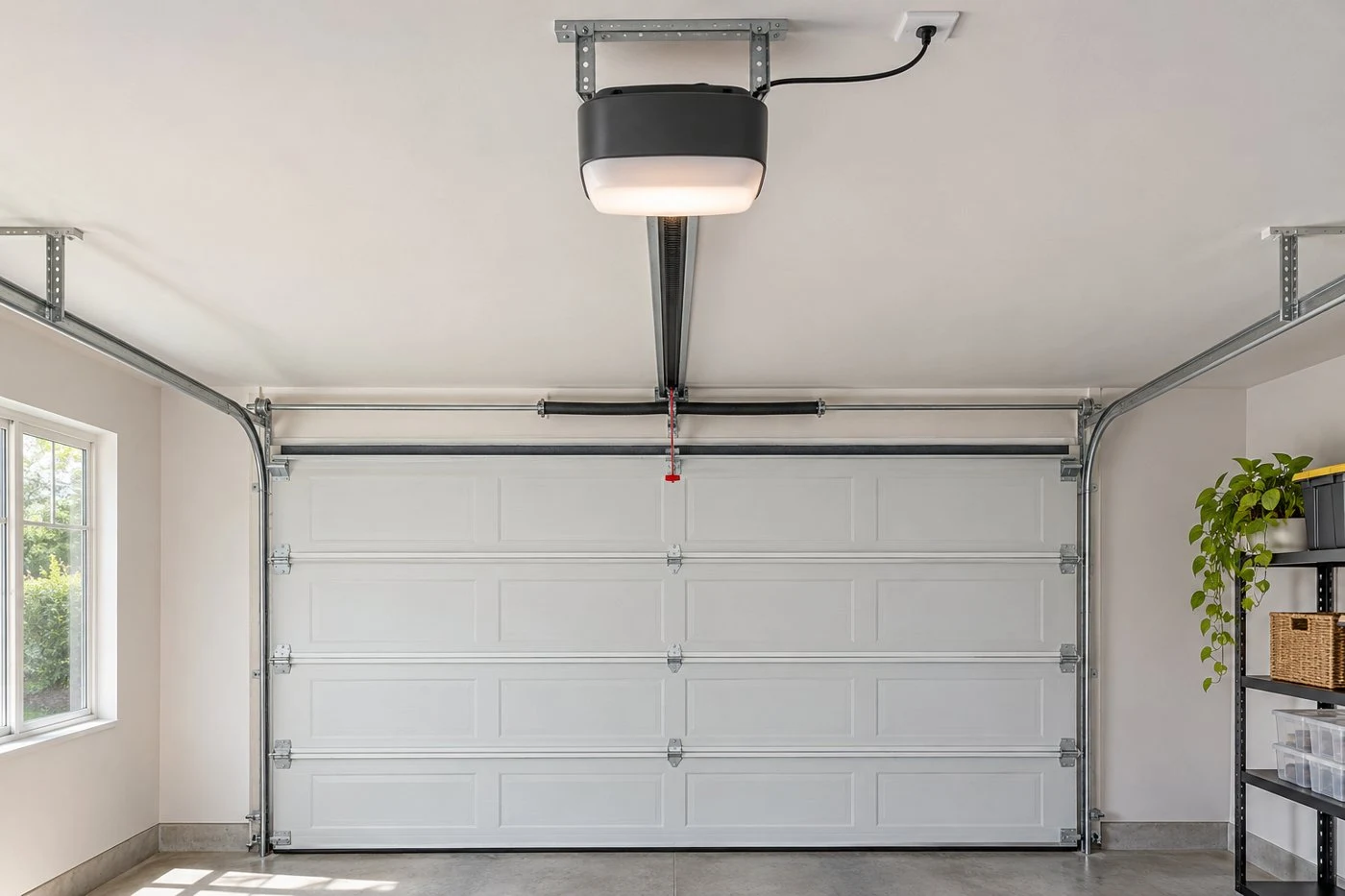
Keep loose objects away from the door path and sensors when it is safe. Notice standing water, recurring debris or a gap that changed after driveway work. A weather seal can address certain gaps, but it does not repair every floor profile or drainage issue. Think about the surrounding use too: storage, vehicles and overhead equipment may restrict clearance. Mention a change in that arrangement when calling about a maintenance request.
Remember controls and safety features
The operator instructions explain the checks and care for the exact model. Unexpected reversal, an intermittent wall control or sensor indicators that change deserve a description. Do not bypass sensors or use force adjustments as a way to overcome a door that has become heavy. Keep remote controls away from children and observe the opening during use as the instructions require. Mechanical balance and electrical operation are different parts of the same system.
Make the request specific
Share the approximate age, daily use and what you have noticed since the last normal period of operation. Mention prior replacements and whether the garage is attached or detached. A commercial request also needs equipment and cycle information. Ask whether the situation calls for routine care or a repair assessment. Call to discuss the scope and appointment timing; you do not need to perform additional cycles or reach above the door to prepare for the conversation.
A short checklist for the conversation
Have five things ready: the door position, the change you noticed, any safely visible model information, access restrictions and the question you want answered. Separate urgent access needs from preferences for a future upgrade. Ask which parts of the system need assessment and what would be retained or changed. Confirm the service scope and appointment timing by phone. This guide is for recognition and planning; it is not an instruction to adjust springs, cables, loaded fixtures or safety systems.
Further reading
DASMA garage door system safety
CPSC: automatic garage door opener safety
Follow the instructions for the exact door and opener. This guide supports recognition and planning; leave loaded hardware and safety-system work to a suitable assessment.